
Gianni Infantino Faces Growing Pressure From Football Leaders After Failed World Cup Investment Plan

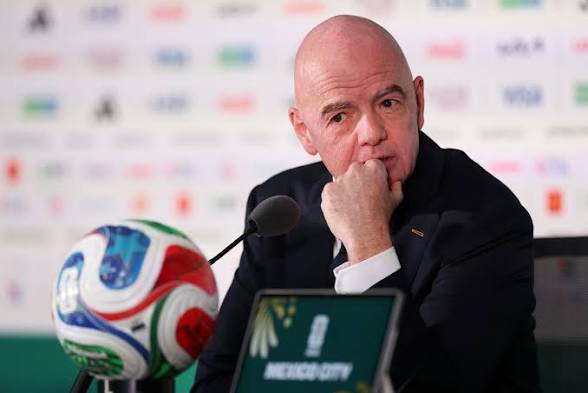
FIFA president Gianni Infantino is facing renewed scrutiny over a reported World Cup investment plan that has generated concerns among football leaders.
The controversy highlights the challenges surrounding the commercial development of international football, particularly when major financial decisions affect national associations, tournament organisers and the wider football community.
Under Infantino’s leadership, FIFA has pursued several initiatives designed to increase football’s global reach and strengthen its commercial position. The organisation has expanded the men’s World Cup format and continued developing new competitions, arguing that additional opportunities can benefit national teams and football associations.
However, ambitious investment proposals can also attract criticism when expectations are not met. Football leaders must consider the financial risks involved, the distribution of resources and whether proposed initiatives deliver meaningful benefits to participating countries.
The reported difficulties surrounding the investment plan have therefore raised questions about FIFA’s planning and decision-making processes.
National associations depend on football’s governing body for development funding, administrative support and opportunities to strengthen their domestic competitions. Any disagreement over major financial initiatives can influence relationships between FIFA and its members.
Infantino has consistently defended FIFA’s broader commercial strategy, emphasising the importance of generating revenue that can support football development around the world.
Nevertheless, financial ambition must be accompanied by transparency and accountability. Football leaders increasingly expect clear explanations of how major projects are structured, how resources will be distributed and what safeguards exist against financial losses.
The World Cup remains FIFA’s most important commercial event, attracting global audiences and generating substantial revenue through broadcasting, sponsorship and ticket sales.
Consequently, any investment plan associated with the tournament is likely to receive considerable attention from national associations and other stakeholders.
The reported setback could intensify calls for FIFA to provide greater clarity about its financial priorities and future plans.
However, the precise circumstances surrounding the alleged failed investment initiative require further confirmation, and the extent of any opposition to Infantino remains unclear.
For FIFA, maintaining confidence among member associations will be essential as preparations continue for future international tournaments.
The controversy also illustrates the difficult balance between expanding football’s commercial opportunities and ensuring that financial decisions serve the sport’s long-term interests.
Infantino’s response may prove important in determining whether the issue develops into a broader governance dispute or remains a disagreement over a particular investment strategy.