
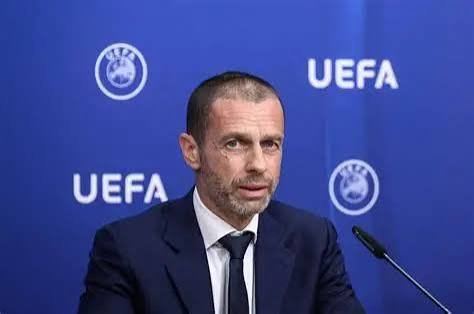
A new disagreement has emerged between UEFA and FIFA, raising fresh concerns about the future relationship between football’s two biggest governing bodies. The latest dispute centres on FIFA’s reported plans to involve private investment in one of its competition projects, a proposal that has reportedly been met with strong opposition from UEFA and several European football associations.
UEFA believes that any major commercial changes affecting international competitions should protect the traditions, integrity, and long-term interests of the game. As discussions continue, some European football leaders have reportedly warned that they could consider boycotting certain FIFA competitions if they feel their concerns are ignored.
The growing tension highlights the ongoing struggle between the organisations over how world football should be managed. In recent years, both bodies have clashed over issues such as competition formats, scheduling, player welfare, and the expansion of international tournaments. This latest disagreement has only added to that list.
For clubs and players, the uncertainty is something they will be watching closely. Any major disagreement between FIFA and UEFA has the potential to affect competition calendars, player availability, and even the structure of future tournaments. While no immediate changes are expected, football stakeholders understand that decisions made behind the scenes can have a significant impact on the sport.
Fans, however, will be hoping that both organisations find common ground. Supporters want to see the focus remain on football rather than administrative conflicts, especially with several major competitions on the horizon.
Despite the strong statements that have emerged, there is still room for dialogue between the two governing bodies. Negotiations are expected to continue in the coming weeks as both sides attempt to reach an agreement that benefits the game as a whole.
For now, the situation remains one to watch, with football’s leadership facing another important test in balancing commercial ambitions with the traditions and values that supporters cherish.