
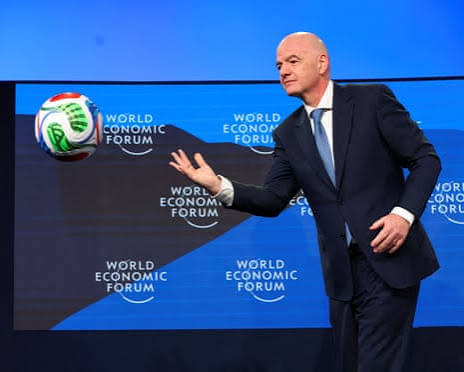
The Swiss Football Association has withdrawn its support for Gianni Infantino’s campaign to remain FIFA president.
The decision is particularly significant because Switzerland is Infantino’s home country and had previously supported his candidacy. The Swiss federation said it had reassessed developments surrounding FIFA and concluded that questions concerning leadership, governance, transparency and decision-making remained unresolved.
Infantino has served as FIFA president since 2016 and is seeking another term. His tenure has included major changes to FIFA’s commercial operations and international competitions, while also attracting criticism from some football officials and organisations.
The Swiss federation’s decision does not automatically prevent Infantino from standing for re-election. However, losing support from his national association represents an important development in the campaign.
The disagreement follows several controversies surrounding FIFA’s leadership and plans. One particularly notable issue involved proposals connected to FIFA’s commercial interests and competitions. Those plans generated criticism before being abandoned.
Several European football associations have also questioned Infantino’s leadership and approach to FIFA governance. UEFA president Aleksander Čeferin has previously been critical of FIFA’s direction, while European associations have discussed the possibility of presenting an alternative candidate.
Infantino has defended his leadership and has said he remains open to discussions about reform.
The next FIFA presidential election is scheduled for 2027, meaning the political battle surrounding the organisation is already beginning well ahead of the vote.
The withdrawal of Swiss support adds another layer to that contest. However, it does not determine the outcome of the election, which will ultimately depend on FIFA’s member associations.
For now, attention will focus on which other federations formally support Infantino and whether UEFA or other regional bodies eventually unite behind an alternative candidate.
The development demonstrates that the next FIFA presidential election could become a significant contest over the future direction of world football’s governing body.