

Eben Etzebeth Declines Springboks Captaincy: A Closer Look at His Reasons
In the world of rugby, few names resonate as strongly as Eben Etzebeth. The towering lock, known for his physicality and leadership on the field, has been a pivotal figure for the Springboks. However, recent news that Etzebeth has declined the opportunity to captain the national team has sparked discussions among fans and analysts alike. This article delves into the reasons behind his decision, examining the implications for both the player and the Springboks.
A Legacy of Leadership

Eben Etzebeth’s journey in rugby began at a young age, and he quickly rose through the ranks to establish himself as a cornerstone of the Springbok squad. His contributions were vital in the 2019 Rugby World Cup, where he played a key role in securing South Africa’s third title. His leadership qualities have been recognized not only through his performances but also through the respect he commands in the locker room.
However, with great responsibility comes immense pressure. Captaining a national team is not just about leading on the field; it involves navigating the complexities of team dynamics, media scrutiny, and the expectations of an entire nation. For a player like Etzebeth, who has often been in the spotlight, the decision to turn down the captaincy carries weight.
The Burden of Responsibility
One of the most significant factors influencing Etzebeth’s decision is the burden of responsibility that comes with the captaincy. In interviews, he has expressed concerns about the additional pressures that would accompany the role. Captains are often expected to be the voice of the team, a role that requires not just tactical acumen but also emotional intelligence and resilience.
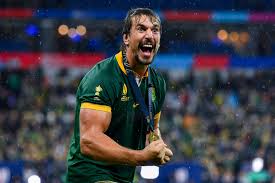
Etzebeth has emphasized his desire to focus on his game and contribute as a player without the added strain of leadership duties. This perspective is particularly relevant in a sport where mental well-being is becoming increasingly recognized as a critical component of performance. By stepping back from the captaincy, he is prioritizing his personal and professional growth, ensuring that he can deliver his best on the field.
Team Dynamics and Future Vision
Another important aspect of Etzebeth’s decision relates to the dynamics within the Springbok squad. Rugby is a team sport, and the success of any team relies on the collaboration and chemistry between its players. Etzebeth has indicated that he believes in the potential of emerging leaders within the squad. By stepping aside, he opens the door for other players to take on leadership roles, fostering a culture of shared responsibility.
This approach aligns with the broader vision of the Springboks to build a diverse and dynamic leadership group. It allows for fresh perspectives and ideas, which can be crucial for adapting to the evolving landscape of international rugby. Etzebeth’s decision can be seen as a selfless act aimed at nurturing the next generation of leaders, ensuring the team remains competitive in the long term.
A Focus on Personal Goals
Etzebeth’s decision also reflects a desire to concentrate on his individual goals and aspirations. As he continues to evolve as a player, he may wish to refine his skills without the distractions that come with a captaincy role. The demands of international rugby are substantial, and balancing personal development with leadership responsibilities can be challenging.
By prioritizing his own performance, Etzebeth aims to enhance his contributions to the Springboks in other ways. His commitment to improving his game can translate into better performances on the pitch, ultimately benefiting the team as a whole. This focus on self-improvement is essential for elite athletes who seek to maintain their edge in a highly competitive environment.
The Reaction of Fans and Analysts
The rugby community has responded to Etzebeth’s decision with a mix of understanding and surprise. Many fans respect his choice, recognizing the complexities that come with leadership. Analysts have debated the implications for the Springboks moving forward, pondering who will fill the leadership void and how this might affect team dynamics.
Some have speculated that the decision may impact the team’s performance, especially in high-stakes matches where leadership is crucial. However, others argue that the strength of the squad lies in its collective talent and experience, suggesting that the absence of a single captain may encourage a more democratic approach to leadership.
Conclusion
Eben Etzebeth’s decision to decline the captaincy of the Springboks is a multifaceted one, rooted in a desire to prioritize personal well-being, foster team dynamics, and focus on individual growth. As he continues to develop as a player, his contributions will undoubtedly remain invaluable to the Springboks.
In a sport where leadership is often synonymous with success, Etzebeth’s choice serves as a reminder that the most effective leaders are those who recognize their own limitations and are willing to empower others. As the Springboks look ahead to future challenges, they will benefit from Etzebeth’s continued presence on the field, even if he isn’t wearing the captain’s armband. This decision may well shape the future of the team, as it embarks on a new chapter, guided by a collective vision of success.