

Rassie Erasmus Under Pressure: The Rise of Eben Etzebeth as Springboks Captain
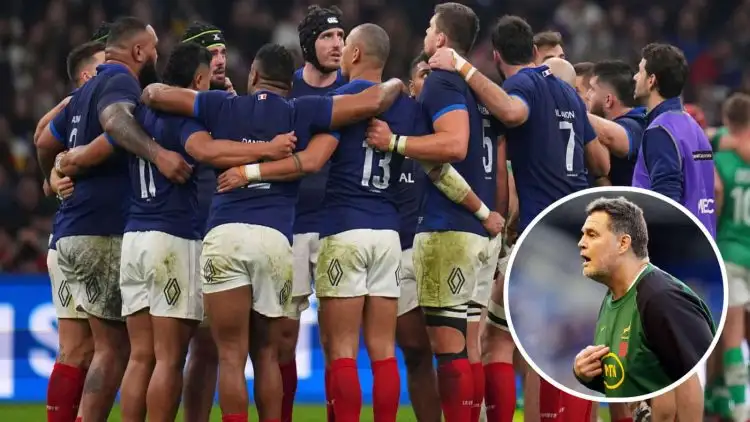
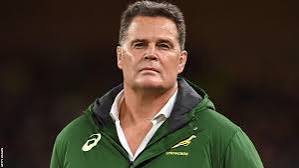
As the rugby world gears up for another thrilling international season, the South African rugby landscape is buzzing with anticipation and speculation. At the heart of this excitement is the looming decision facing Rassie Erasmus, the director of rugby for the Springboks. Increasingly, there are calls from higher-ups within the South African Rugby Union (SARU) to appoint Eben Etzebeth as the new captain of the national team. This development places Erasmus under significant pressure, as he navigates the delicate balance of team dynamics, leadership qualities, and the expectations of a nation that holds its rugby heritage in high regard.
The Context of Leadership
The Springboks have long been recognized as one of the world’s elite rugby teams, a status cemented by their triumphant World Cup victories. However, with great success comes the weight of expectations. After a disappointing performance in recent international fixtures, the pressure on Erasmus has intensified. The team’s leadership structure, particularly the captaincy, has been called into question, prompting discussions about whether a change is needed.
Eben Etzebeth, a towering figure on the field, has been earmarked as a potential captain due to his experience and fierce competitiveness. At just 32 years old, he has already amassed a wealth of experience playing at the highest level, including multiple World Cup campaigns and a decorated club career in both South Africa and Europe. His leadership qualities, evident in his playing style, make him an appealing candidate in the eyes of SARU officials and fans alike.
Rassie Erasmus’s Dilemma
For Erasmus, the decision to appoint a new captain is fraught with complexities. He has been a pivotal figure in South African rugby, known for his strategic mind and ability to build strong team cohesion. Since taking on the role of head coach, he has often emphasized the importance of leadership within the squad, advocating for a collaborative approach rather than a singular figurehead. This philosophy has served the Springboks well in the past, particularly during their 2019 World Cup triumph.
However, the pressures of the modern game demand results, and the calls for Etzebeth’s elevation to captaincy reflect a growing impatience among rugby stakeholders. The looming international calendar, which includes crucial matches against arch-rivals New Zealand and Australia, adds urgency to the situation. SARU’s insistence on a leadership change could be seen as an endorsement of a more aggressive, physically dominant style of play, traits that Etzebeth embodies.
The Case for Eben Etzebeth
Etzebeth’s credentials as a potential captain are strong. He is a natural leader on the pitch, known for his vocal presence and the ability to rally his teammates in tough situations. His experience playing in various roles—ranging from lock to flanker—gives him a comprehensive understanding of the game’s nuances. This adaptability is crucial for any captain, who must be able to relate to players across different positions and playing styles.
Moreover, Etzebeth’s physicality and work ethic resonate with South African rugby’s traditional values. Fans and analysts alike have noted his ability to lead by example, making him a source of inspiration for younger players in the squad. His history of performing well under pressure adds to the argument for his leadership, as he has consistently delivered in high-stakes matches.
Yet, there are counterarguments to this perspective. Critics have pointed out that while Etzebeth is an exceptional player, he has occasionally struggled with discipline on the field, including suspensions and penalties that have drawn scrutiny. This raises questions about his ability to embody the leadership qualities expected of a captain, particularly in guiding a team through adversity.
Balancing Experience and Fresh Leadership
Erasmus faces the challenge of balancing experience with the need for fresh leadership. Current captain Siya Kolisi has played a transformative role since leading the Springboks to World Cup glory in 2019. His emotional intelligence and understanding of the game have endeared him to fans and players alike. The thought of replacing him, especially given his historic significance as the first black captain to lead the Springboks to a World Cup title, complicates the narrative.
Some supporters argue that Kolisi’s continued leadership is vital for maintaining team cohesion and continuity. They contend that his leadership style, which emphasizes empathy and inclusivity, is critical for the squad’s success, particularly in a country with a complex socio-political landscape. The discussion around the captaincy has thus become a reflection of broader societal themes, including unity, representation, and the evolution of South African rugby.
The Decision Ahead
As the season approaches, Rassie Erasmus must weigh the opinions of SARU officials, fans, and players alike while remaining true to his vision for the Springboks. The decision on the captaincy will not only impact team dynamics but also shape the identity of South African rugby for years to come. The debate surrounding Etzebeth’s potential promotion is emblematic of the changing tides in rugby, where leadership is increasingly scrutinized and players are expected to navigate both on-field and off-field challenges.
Ultimately, the choice will hinge on Erasmus’s assessment of the team’s needs and the qualities required to