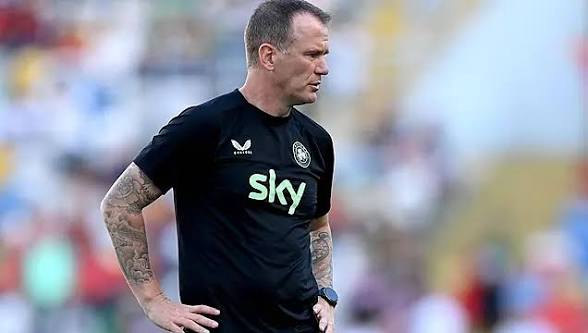


Rassie Erasmus: Tension and Tactics in the Springbok Camp
In the realm of rugby, few names resonate as powerfully as Rassie Erasmus. As the Director of Rugby for the South African national team, Erasmus has been instrumental in shaping the Springboks into a formidable force on the global stage. However, recent events have spotlighted not just his strategic acumen but also his emotional investment in the team and the pressures that come with high-stakes competitions. This was vividly illustrated when Erasmus was caught in a heated exchange with a reporter regarding the Springboks’ tactics for the upcoming Rugby World Cup.
The Context
The Springboks are gearing up for the next Rugby World Cup, a tournament that brings with it a unique set of pressures and expectations. The weight of history lies heavily on the shoulders of the players and management alike. South Africa, as the reigning champions, is not just defending a title; they are also tasked with living up to the legacy of past successes. In this high-pressure environment, every question posed by the media can feel like a threat or a provocation, particularly when it delves into tactical discussions.
During a recent press conference, a reporter posed a question that aimed to probe deeper into the Springboks’ strategic plans. This inquiry, seemingly innocuous to some, ignited a firestorm of emotion in Erasmus. In a moment that went viral, the coach expressed his frustration, criticizing the media for what he perceived as a lack of understanding of the complexities involved in formulating game strategies. He argued that revealing too much about tactics could give rival teams an advantage, undermining months of preparation.
The Emotional Outburst
Erasmus’s outburst highlights a fundamental tension between the media and sports teams. While journalists seek transparency and insight into the inner workings of a team, coaches are often bound by the need for secrecy. In professional sports, information is currency, and the slightest hint of strategy can be exploited by opponents. This principle is especially relevant in rugby, where tactical shifts can drastically alter the outcome of a match.
Erasmus’s frustration is understandable. The media’s relentless pursuit of information can be overwhelming, especially when every interview, press conference, or social media post is scrutinized. Coaches and players live in a world where they are constantly under the microscope, making the pressure to perform even more intense. For Erasmus, this was not just about a single question; it represented the broader challenge of maintaining a competitive edge while being accessible to fans and media.
The Broader Implications
The incident raises important questions about the relationship between sports teams and the media. In an era where information spreads rapidly through digital channels, the balance between transparency and strategy has become increasingly delicate. Teams must navigate this landscape with care, ensuring they can protect their tactical integrity while still engaging with fans and stakeholders.
Erasmus’s response also reflects a growing trend among coaches to adopt a more combative stance towards media scrutiny. Coaches like Erasmus are often portrayed as gatekeepers of strategy, and their willingness to engage—or not engage—with the media can significantly impact public perception. This incident underscores the fine line they must walk: providing enough insight to satisfy media demands while keeping crucial tactical details close to the vest.
Fan Reactions
Following the exchange, reactions from fans and pundits were mixed. Some supported Erasmus, arguing that he has every right to protect his team’s strategies. Others, however, criticized him for being defensive and unprofessional. The debate around this incident illustrates the varying expectations that fans have regarding transparency in sports. Many fans want to feel connected to their teams, and this desire often translates into a demand for insider knowledge.
Moreover, the incident sparked discussions about mental health in sports. The pressures faced by coaches and players can be immense, and outbursts like Erasmus’s can serve as reminders of the human side of sports. It is crucial for fans and media to remember that behind the strategies and tactics are real people dealing with the pressures of performance and public scrutiny.
Looking Ahead
As the Springboks prepare for the World Cup, the focus will undoubtedly shift back to the field. However, the implications of Erasmus’s confrontation with the media linger. The relationship between coaches and reporters will continue to evolve, particularly as the stakes rise in the lead-up to major tournaments.
Erasmus’s passion for the game and his commitment to the Springboks are evident. He has proven his ability to lead the team to success, and his knowledge of the game is unparalleled. Yet, moments of tension can serve as both a reminder and a catalyst for change within the sporting world. Coaches may need to develop new strategies for engaging with the media, fostering a more constructive dialogue that satisfies both sides.
Conclusion
Rassie Erasmus’s recent confrontation with a reporter underscores the complexities of leading a national rugby team in a high-pressure environment. His emotional response highlights the challenges coaches face in protecting their strategies while engaging with an ever-curious media. As the Springboks gear up for the World Cup, the balance between transparency and secrecy will remain a contentious topic, reflecting broader themes in sports culture. Ultimately, it is a reminder of the human stakes involved in professional athletics, where Passion and pressure often collide.