

Rassie Erasmus’s Final Decision on Eben Etzebeth’s Career: A Turning Point for South African Rugby


Rassie Erasmus’s Final Decision on Eben Etzebeth’s Career: A Turning Point for South African Rugby
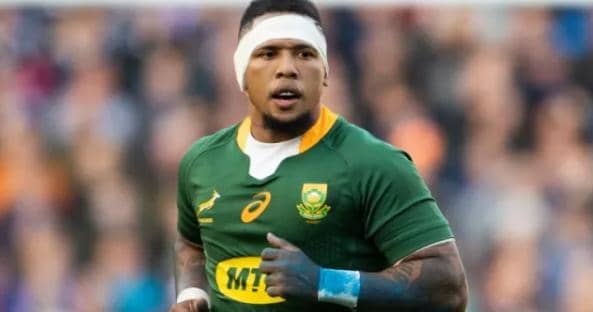
Eben Etzebeth, the towering lock and one of South Africa’s most formidable rugby players, has had a career characterized by immense talent and significant challenges. As a cornerstone of the Springboks’ forward pack, his contributions have been pivotal in South Africa’s rugby successes. However, his journey has not been without controversy. The recent decision by Rassie Erasmus, the Springboks’ director of rugby, regarding Etzebeth’s future is set to have far-reaching implications, not only for the player himself but for the team and the sport as a whole.
A Brief Overview of Eben Etzebeth’s Career
Eben Etzebeth debuted for the Springboks in 2012 at just 20 years old. Since then, he has become a staple in the South African rugby scene. Standing at 6 feet 8 inches and weighing over 260 pounds, his physical presence on the field is both intimidating and awe-inspiring. His ability to dominate in scrums and lineouts has earned him numerous accolades, including selection to multiple World Cup squads.
Throughout his career, Etzebeth has been known for his aggressive playing style, which, while effective, has also led to disciplinary issues. He has faced suspensions for incidents on the field, including charges of foul play. Despite these controversies, his on-field performance has often overshadowed his off-field challenges, and he has been celebrated as one of the best locks in modern rugby.
The Controversies Surrounding Etzebeth
Etzebeth’s career has been marred by a series of controversies that have threatened to overshadow his achievements. The most significant of these occurred in late 2020, when he faced allegations of racism and assault during an altercation at a bar. The incident sparked widespread debate within South Africa and the rugby community at large about the implications of his actions and the responsibilities of professional athletes.
These allegations not only raised questions about Etzebeth’s character but also about the culture within South African rugby. The sport has been striving to combat issues of racism and inequality, and Etzebeth’s situation became emblematic of the challenges facing the rugby union. The Springboks, as the reigning world champions, were under pressure to address these issues head-on, leading to intense scrutiny of both Etzebeth and the broader organizational response.
Rassie Erasmus’s Role and Decision
Rassie Erasmus, who took over as director of rugby for the Springboks in 2018, has been instrumental in reshaping the team’s ethos and performance. His leadership has been defined by a commitment to fostering a culture of inclusivity and respect, which is vital for a team representing a nation with a complex history.
Erasmus’s final decision regarding Etzebeth’s career was influenced by multiple factors, including the player’s on-field performance, his potential for redemption, and the broader implications for the team. After much deliberation, Erasmus announced that Etzebeth would be retained in the squad for the upcoming international season. This decision was met with mixed reactions from fans, analysts, and the rugby community at large.
Supporters of the decision argue that Etzebeth has the potential to learn from his mistakes and contribute positively to the team and society. They point to his dedication to training and improvement, suggesting that he can be a role model for younger players navigating similar challenges.
However, critics contend that retaining Etzebeth sends the wrong message about accountability. They argue that the Springboks should take a stronger stance against racism and misconduct, emphasizing the need for players to reflect the values of the sport and the nation. The decision to keep Etzebeth on the team could be perceived as prioritizing talent over moral responsibility, a stance that has historically led to backlash in professional sports.
The Impact on South African Rugby
Erasmus’s decision has far-reaching implications for South African rugby. On one hand, it highlights a pragmatic approach to talent management, focusing on performance and experience, especially with significant competitions approaching. Etzebeth’s physical skills and leadership on the field could be invaluable as the Springboks prepare for the next Rugby World Cup and other international fixtures.
On the other hand, the decision underscores the ongoing struggle within South African rugby to reconcile its past with its present. The sport has made strides toward inclusivity and diversity, but incidents like those involving Etzebeth reveal that the journey is far from complete. The perception of the Springboks as a symbol of national unity is contingent on their ability to address these social issues comprehensively.
Looking Ahead: A Path to Redemption
For Eben Etzebeth, this moment marks a critical juncture in his career. The opportunity to remain in the national squad provides him with a chance to demonstrate personal growth and commitment to positive change. As he navigates this new chapter, the focus will be on his actions both on and off the field. Engaging with community initiatives, promoting anti-racism efforts, and showing leadership in the locker room will be essential components of his redemption narrative.
Furthermore, the onus is not solely on Etzebeth. The Springboks must foster an environment that encourages accountability and supports players in making better choices. This means implementing robust education programs and creating a culture that values respect, integrity, and inclusivity.
Conclusion
Rassie Erasmus’s final decision on Eben Etzebeth’s career represents a pivotal moment for South African rugby. It highlights the complexities of managing talent while addressing serious social issues. As Etzebeth continues his journey with the Springboks, all eyes will be on him—not only to see if he can reclaim his status as one of rugby’s elite players but also to determine if he can contribute to a narrative of healing and progress within the sport. The future of South African rugby hinges on its ability to learn from the past, embrace accountability, and foster a culture where all players can thrive while upholding the values of respect and unity.










Great decision DR RASSIE 🙌🙌🙌🙌🙌👋👋👋👍👍