
Springboks Boss Rassie Erasmus Shares His Plans for the Team in the Upcoming Rugby World Cup
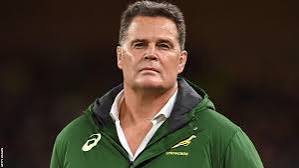
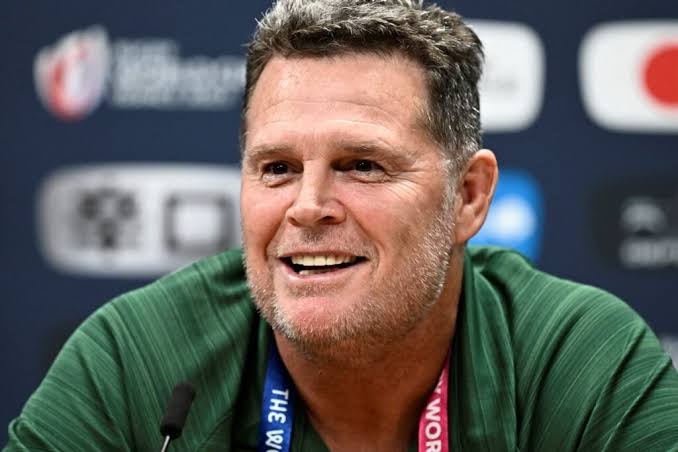
As the rugby world turns its eyes towards the next Rugby World Cup, anticipation is building around the Springboks and their head coach, Rassie Erasmus. Having led South Africa to a remarkable victory in the 2019 tournament, Erasmus faces the challenge of defending the title in a landscape that is as competitive as ever. With the tournament set to take place in France, Erasmus has outlined his strategies and vision for the Springboks, focusing on team cohesion, tactical evolution, and player development.
Building on Past Success

Erasmus understands the weight of expectation that comes with being the reigning champions. “The past is a great teacher,” he said in a recent interview. “We have learned a lot from our 2019 campaign, both in terms of what worked well and what we could improve.” His approach emphasizes not only replicating successful strategies but also adapting to the evolving dynamics of international rugby.
Key to this strategy is the core group of players who contributed to the 2019 success. Erasmus has emphasized the importance of maintaining a strong leadership group within the team. Players like Siya Kolisi, the captain, and seasoned veterans such as Handré Pollard and Faf de Klerk will be central to his plans. Their experience in high-pressure situations is invaluable, and Erasmus is keen to leverage this as he shapes the squad.
Emphasizing Tactical Versatility
One of Erasmus’s most significant shifts in strategy involves increasing tactical versatility. While the Springboks are known for their physical style and dominant forward play, Erasmus recognizes the need to evolve in response to changing game trends. “Rugby is constantly evolving, and we must be prepared to adapt our style to remain competitive,” he stated.
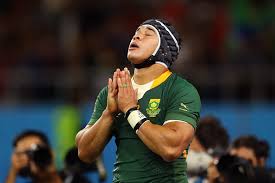
To achieve this, Erasmus has been integrating more expansive attacking strategies. This includes developing backline plays that utilize the speed and agility of players like Cheslin Kolbe and Makazole Mapimpi. By incorporating a more dynamic attacking approach, the Springboks aim to create scoring opportunities in ways that may surprise their opponents. This strategy also focuses on improving ball retention and increasing scoring options from broken play.
Player Development and Selection
A critical aspect of Erasmus’s plan is the identification and development of new talent. With an eye on the future, he is committed to giving younger players opportunities to gain international experience. “We need to ensure that the next generation of Springboks is ready to step up,” he remarked.
Erasmus has been vocal about his intent to blend youth with experience. He has highlighted players such as Canan Moodie and Evan Roos, who have shown promise in the domestic leagues. By incorporating fresh talent, he aims to foster a competitive environment within the squad that encourages everyone to perform at their best.
The selection process will be rigorous, with a focus on form and fitness in the lead-up to the World Cup. Erasmus emphasized that performance in both domestic competitions and international tests will be closely monitored. “We want players who are in form and ready to contribute to the team’s success,” he noted.
Fostering Team Cohesion
Team cohesion is paramount in a successful World Cup campaign. Erasmus has been proactive in organizing training camps and practice matches to build chemistry among the players. The importance of trust and understanding within the squad cannot be overstated, and he aims to create an environment where players can express themselves freely on and off the field.
To foster this sense of unity, Erasmus encourages open communication among players and coaching staff. Regular team-building activities and off-field gatherings have been integral in strengthening bonds. “When you trust each other, you play for one another,” Erasmus explained. This philosophy is expected to translate into improved on-field performances during critical moments in matches.
Strategic Preparations and Fixtures
With the World Cup fast approaching, Erasmus has meticulously planned the Springboks’ fixture list leading into the tournament. He aims to schedule matches against top-tier nations to gauge their preparedness and fine-tune their strategies. Facing teams like New Zealand, England, and Australia will provide valuable insights into the areas that require attention.
The Springboks will also be focusing on set-piece accuracy, defensive organization, and discipline—areas that are vital in knockout rugby. Erasmus is keenly aware that in high-stakes games, small margins can determine the outcome, and attention to detail will be crucial.
Navigating Pressure and Expectations
As the World Cup draws nearer, the pressure to perform will intensify. Erasmus has emphasized the importance of mental resilience among his players. “We must prepare for the mental challenges just as much as the physical ones,” he said. He is implementing sports psychology sessions and stress management workshops to equip players with the tools to handle pressure.
The Springboks’ supporters are passionate and expectant, and Erasmus recognizes the importance of engaging with them. “We want our fans to feel part of this journey,” he stated. Regular interactions through social media, fan events, and community outreach initiatives will be part of the strategy to foster a strong connection with supporters.
Rassie Erasmus’s vision for the Springboks as they head into the upcoming Rugby World Cup is a blend of tradition and innovation. By focusing on tactical versatility, player development, team cohesion, and mental resilience, he aims to prepare a squad capable of defending their title. As the team gears up for the challenges ahead, the rugby world will be watching closely, eager to see if the Springboks can once again rise to the occasion and lift the Webb Ellis Cup.