

The Springboks’ Top 3 Worst Coaches of All Time Revealed
The Springboks, South Africa’s national rugby team, boast a rich history filled with triumphs and legendary figures. However, like any sports team, they’ve also experienced their fair share of coaching missteps. Here’s a look at three coaches who struggled to make a positive impact on the team.
1. Nick Mallett (1997-2000)

While Nick Mallett is often remembered for some early successes, his tenure ultimately ended in disappointment. Under his leadership, the Springboks achieved a record of 17 consecutive Test wins, but the team’s performance in the 1999 Rugby World Cup was underwhelming. Mallett’s rigid tactics and failure to adapt to the evolving game alienated players and contributed to a lack of cohesion. His inability to manage key personalities within the squad led to a fractured team environment, leaving a mixed legacy.
2. Harry Viljoen (2000-2001)

Harry Viljoen took the reins after Mallett with hopes of modernizing the team’s approach. Unfortunately, his time as coach was marked by inconsistency and poor results. Viljoen’s game plan often appeared disjointed, failing to capitalize on the Springboks’ strengths. His leadership style was also questioned, as he struggled to command the respect of players and staff alike. The low point came during the 2001 series against England, where the team suffered a humiliating defeat, leading to his dismissal.
3. Allister Coetzee (2016-2017)
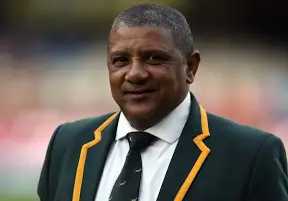
Allister Coetzee’s tenure is often cited as one of the most challenging periods in Springbok history. Hired to restore the team’s reputation following a disappointing World Cup, Coetzee faced immediate criticism for his tactical approach and lack of innovation. Under his guidance, the Springboks experienced a series of alarming defeats, including a historic loss to Italy. The team’s performances were often characterized by a lack of direction and uninspired play. Despite having some talented players at his disposal, Coetzee’s inability to create a cohesive game plan ultimately led to his departure.
Conclusion
While the Springboks have had their share of coaching triumphs, these three coaches represent cautionary tales of mismanagement and lost potential. Each faced unique challenges that ultimately hampered the team’s progress. As the Springboks look to the future, learning from these past experiences will be crucial in ensuring that they continue to strive for excellence on the world stage.
Be the first to comment