

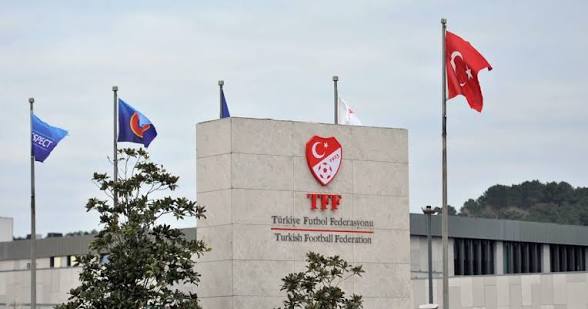
Turkey’s football authorities have imposed 45-day suspensions on 147 current and former football club officials following an investigation into betting-related violations, marking another significant development in the country’s efforts to address integrity concerns within the sport.
The disciplinary action was announced by the Turkish Football Federation after its Professional Football Disciplinary Board examined 448 cases referred for investigation. According to the findings, the 147 individuals had placed bets while serving in official capacities at clubs in Turkey’s top two divisions.
Among those sanctioned was Ertugrul Dogan, president of Trabzonspor, one of the country’s prominent football clubs. His inclusion underlines the seriousness of the investigation and demonstrates that the disciplinary process can reach individuals holding influential positions within the game.
The remaining 301 cases were dismissed because the available evidence was considered insufficient to justify sanctions. This distinction is important because disciplinary decisions must be supported by evidence rather than assumptions about an individual’s involvement.
The latest penalties form part of a wider effort by Turkish football authorities to restore confidence in the sport. The federation has intensified its scrutiny of betting-related activities following earlier investigations that resulted in the suspension of numerous referees and players.
Football officials occupy positions of responsibility within their clubs. Their decisions can influence sporting administration, team operations and the wider environment in which matches are played. Consequently, allegations involving betting can raise questions about impartiality and the credibility of competitions.
However, a disciplinary suspension should not automatically be interpreted as proof that a particular match was manipulated. Betting violations and match-fixing are distinct matters, and any allegations of deliberate manipulation require appropriate evidence.
The 45-day bans send a strong message about the standards expected of football administrators in Turkey.
The investigation also highlights a challenge facing football worldwide: ensuring that everyone involved in the sport respects regulations designed to protect fair competition.
For Turkish football, the effectiveness of these measures will ultimately depend on consistent enforcement, transparent investigations and the willingness of clubs and officials to comply with established rules.